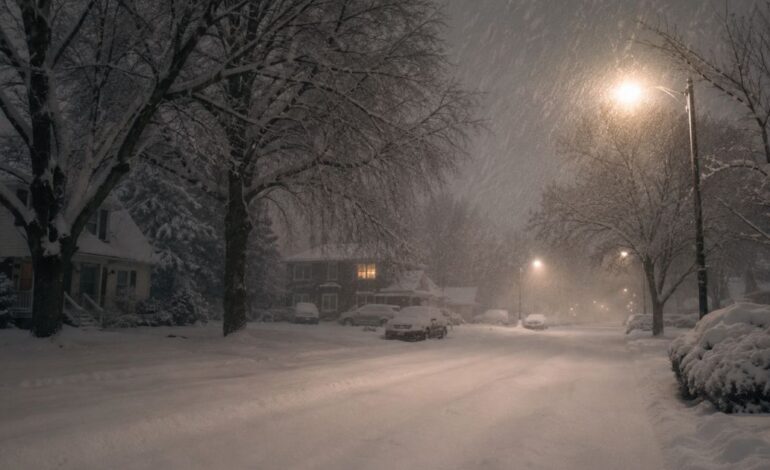
Winter Storm Warning: What It Means, What to Do, and How to Stay Safe

A winter storm warning means one thing: stop what you’re planning and pay attention. Not later. Now.
It’s the National Weather Service’s clearest signal that dangerous winter weather is either already happening or will begin within hours. Unlike a watch, which says “be ready,” a warning says “act.” The difference between those two words has saved lives and, when ignored, cost them.
This guide covers everything that matters when a warning drops: what triggered it, what it means for your specific state, what to do in the hours before conditions worsen, what to watch for during the storm, and critically, the dangers most people don’t think about once the snow stops.
You’ll also find a live map guide, a regional threshold breakdown, and specific guidance for kids, elderly adults, pets, and renters.
Watch vs. Warning vs. Advisory: The One Rule That Clears Up the Confusion
Most people have heard all three terms. Most people couldn’t tell you the difference under pressure. Here it is, as simply as possible:
| Alert | What it means | What you should do |
| Winter Weather Advisory | Conditions will be inconvenient but not life-threatening | Use caution; adjust your plans |
| Winter Storm Watch | Severe winter weather is possible in the next 24–48 hours | Start preparing now |
| Winter Storm Warning | Severe winter weather is imminent or occurring | Take action immediately |
The one-line rule worth remembering: advisory = caution, watch = prepare, warning = act.
A watch typically upgrades to a warning 12 to 36 hours before conditions arrive. That window is your most valuable preparation time. Once the warning is issued, that window closes fast.
You’ll receive alerts automatically if you have Wireless Emergency Alerts enabled on your phone. Check your notification settings to make sure they’re on. You can also monitor your local NWS forecast at weather.gov or tune into NOAA Weather Radio for continuous updates.
Why Your Winter Storm Warning Threshold Is Different From Your Neighbour’s State
Here’s something most articles on this topic get wrong by omission: there is no single national snow threshold that triggers a winter storm warning. The National Weather Service issues warnings through regional forecast offices, and each office sets its own criteria based on what’s actually dangerous for that area.
Six inches of snow is on a Tuesday morning in Minneapolis. The same six inches in Birmingham, Alabama, is a regional emergency.
This matters because if you’ve moved states, or you’re traveling, or you’re simply trying to understand why a warning was issued when “it doesn’t seem like that much snow,” the answer is almost always local context.
Here’s how thresholds break down across the country:
| Region | States | Warning threshold (snow) | Why it’s set there |
| Northeast | NY, PA, MA, CT, NJ | 6–8 inches in 12–24 hrs | Infrastructure built for heavy winters |
| Great Lakes / Midwest | Michigan, Ohio, Indiana, Illinois, Wisconsin | Why is it set there | Lake-effect events are faster and more intense |
| Great Plains | Kansas, Nebraska, Iowa, Missouri | Wind and blowing snow are as dangerous as accumulation | Wind and blowing snow as dangerous as accumulation |
| Southeast | Georgia, Alabama, Mississippi, Tennessee | 1–3 inches | 5–7 inches, or blowing snow, reducing visibility to ¼ mile |
| Rocky Mountains | Colorado, Montana, Wyoming, Idaho | 6–12 inches; varies sharply by elevation | Higher baselines at altitude; avalanche risk at mountain passes |
| Pacific Northwest | Oregon, Washington (lower elevations) | 4–6 inches | Roads, infrastructure, and drivers are unprepared for any snow |
| Western High Plains | Low-snow infrastructure; freezing rain is often more dangerous | 5–8 inches; wind chill warnings often issued alongside | Extreme cold amplifies snow danger significantly |
A note on Colorado and Montana specifically: NWS winter storm warning criteria in Colorado vary by zone; the Front Range, mountain valleys, and high plains all have different thresholds set by the Boulder and Pueblo forecast offices.
In Montana, the Missoula and Great Falls offices set criteria that account for both heavy mountain snow and dangerous wind-driven blowing snow on the open plains. If you’re in either state, your local NWS office page is the only source that gives you the exact threshold for your zone.
For Ohio, Michigan, and Indiana: These states sit in the Great Lakes snowbelt. Lake-effect snow events can produce 1–2 inches per hour in narrow bands, which is why NWS offices in Cleveland, Detroit, and Indianapolis sometimes issue warnings faster than the general accumulation threshold would suggest. Intensity matters as much as total inches.
To find the exact criteria for your county, go to weather.gov, enter your zip code, and click through to your local forecast office’s “winter storm definitions” page.
How to Check for a Winter Storm Warning Near You Right Now
If you’re reading this because you heard something about a warning in your area and want to confirm it, here’s the fastest way:
Step 1: Go to weather.gov and type your zip code into the search bar. Your local forecast page will show any active warnings, watches, or advisories in a colored banner at the top: red for warnings, blue for watches, and yellow for advisories.
Step 2: Click the warning banner to read the full text of the NWS statement. It will tell you exactly what’s expected, how much accumulation, what times are most dangerous, and when the warning expires.
Step 3: For a geographic view of where warnings are active across the country, useful if you’re traveling or have family in another state, go to weather. gov/watches, warnings, and advisories for the national map. Warnings show red polygons over affected counties.
On your phone, you can also open the NWS app or any major weather app (Weather.com, Weather Underground, AccuWeather) and search your location. If Wireless Emergency Alerts are enabled, your phone will alarm automatically when a warning is issued for your county. You don’t need to check anything.
The 72-Hour Action Timeline: What to Do Before, During, and the Morning a Warning Hits
This is the section most articles skip entirely. They tell you what a warning is. They don’t tell you what to actually do and when. Here’s a timeline that works.
CDC | Safety Guidelines: During & After a Winter Storm
The CDC confirms that cold weather puts extra strain on the heart and that anyone with heart disease or high blood pressure should follow their doctor’s advice before shoveling, as the body is already working hard just to stay warm.
The guidance also confirms that infants under one year old should never sleep in a cold room, that older adults often generate less body heat due to slower metabolism, and that when stranded in a car, the engine should be run for about 10 minutes per hour with one window cracked slightly to reduce carbon monoxide risk.
48–72 Hours Before (Watch Stage | Prepare Now)
When a watch is issued, that’s your green light to act while conditions are still normal. Don’t wait for the warning upgrade.
- Food and water: Stock at least three days of food that doesn’t require cooking. Power outages are common during winter storms. Fill containers with drinking water in case pipes freeze or water service is disrupted.
- Medications: If anyone in your household takes prescription medication, make sure you have at least a week’s supply. Pharmacies close. Roads ice over.
- Fuel: Fill your car’s gas tank. If roads become impassable for days, you may need to run your car briefly for heat, and you don’t want to be rationing fuel.
- Heating check: If you use a fireplace or wood stove as a backup heat source, make sure it’s clean and functional. Test your furnace. Check your propane level if you have a propane system.
- Cash: ATMs and card readers go down during power outages. Keep some cash at home.
- Move your car: If you park on the street, move to a driveway or garage if possible. Street parking bans are common during storms, and getting towed during a blizzard is a miserable problem to solve.
- Charge everything: Phones, portable battery packs, medical devices. Do it now, before you need it.
The Morning: A Warning Is in Effect
This is the highest-anxiety moment for most people when you wake up, the warning is already active, conditions may already be deteriorating, and you need to make fast decisions.
First: check your local NWS statement for the updated timeline. Conditions change. The worst period may be hours away, or it may be happening right now.
School closings: There is no automatic link between a winter storm warning and school closures. Districts make independent decisions based on road conditions, bus safety, and local severity, not on whether a formal warning exists.
Check your district’s website, local news station, or the school district’s app or text alert system. Most districts announce closures by 5:30–6:00 a.m. for a same-day closure.
If you need to go outside before conditions worsen to move a vehicle, cover outdoor pipes, bring in a pet, or complete any last outdoor task, do it in the first hour of the morning, before road and visibility conditions deteriorate. The window between “snow starting” and “roads becoming dangerous” is often shorter than people expect.
During the Storm | If You’re Indoors
Stay in. That’s the main instruction, and it’s worth saying plainly before anything else. Most winter storm injuries and deaths happen to people who went outside when they didn’t need to.
If you’re inside and the power is on:
- Keep your thermostat set to at least 68°F. If the power goes out, close off rooms you don’t need to heat and gather in one room to conserve warmth.
- Never use a gas stove, oven, or outdoor grill to heat your home. Carbon monoxide poisoning is a leading cause of storm-related deaths. More on that in the next section.
- If you’re running a generator, it must be placed at least 20 feet from your home, with the exhaust pointing away from windows and doors. This is non-negotiable.
- Check on your pipes periodically. If you have pipes along exterior walls, let faucets drip slightly to keep water moving.
- Keep your phone charged and stay tuned to local alerts for any warning upgrades or evacuation notices.
After the Storm: The Dangers Most People Don’t See Coming
The warning expires. The snow stops. Everyone heads outside to dig out. This is when a significant number of storm-related deaths occur, and it’s the section you won’t find in any of the top-ranked articles on this topic.
Carbon Monoxide Poisoning
Carbon monoxide is odorless, colorless, and kills quickly. After a winter storm, CO poisoning spikes because people run generators indoors or in attached garages, use gas stoves for heat, or start their cars in enclosed spaces to warm up.
The symptoms headache, dizziness, nausea, and confusion are easy to mistake for the flu. If multiple people in your home feel sick at the same time, get outside immediately and call 911. Do not go back inside.
Every home should have a working carbon monoxide detector. If yours is battery-powered, check that the batteries weren’t drained during the storm’s power fluctuations.
Shovelling: A Genuine Cardiac Risk
Snow shovelling sends tens of thousands of Americans to emergency rooms every year. The combination of cold air, physical exertion, and the sudden demand on your cardiovascular system creates serious cardiac risk, especially for adults over 45, anyone with existing heart disease, and people who are otherwise sedentary.
If you must shovel: push snow rather than lift it when possible, take frequent breaks, dress warmly (cold air causes blood vessels to constrict, raising blood pressure), and stop immediately if you feel chest tightness, shortness of breath, or arm pain.
If you’re elderly, have heart disease, or haven’t exercised regularly in months, don’t shovel. Ask a neighbor. Hire someone. The roof can wait.
Frostbite: Stages and What to Do
Frostbite develops faster than most people realize, especially when wind chill is a factor. Here’s what to know:
Early stage (frostnip): Skin looks red, feels cold, may tingle or feel numb. Rewarm gently, bring the person indoors, apply warm (not hot) water, and avoid rubbing.
Moderate frostbite: Skin turns white or pale and feels hard on the surface but soft underneath. Do not rub. Do not walk on frostbitten feet if avoidable. Seek medical attention.
Severe frostbite: Skin is completely hard and may appear black or blistered. This is a medical emergency. Wrap loosely in clean bandages and go to an emergency room. Do not attempt to rewarm at home.
Hypothermia: When Shivering Stops
Shivering is your body’s way of generating heat. When hypothermia becomes severe and the body can no longer maintain core temperature, shivering stops, and that’s the danger sign most people miss. Other signs include slurred speech, confusion, drowsiness, and loss of coordination.
If someone shows these signs, move them indoors, remove wet clothing, cover with blankets and warm (not hot) water bottles under the armpits and groin, and call 911. Do not give alcohol. Do not rub the skin vigorously.
Downed Power Lines and Roof Stress
After heavy snow and ice, power lines come down. Treat every downed line as live, stay at least 30 feet away and call your utility company and 911.
Heavy snow accumulation on roofs creates structural stress. Warning signs include unusual creaking or cracking sounds, doors that suddenly won’t open or close properly, cracked drywall along ceiling joints, or visible sagging. If you see any of these, vacate those rooms and call a structural professional or emergency services.
If You’re Stranded in Your Car
First, the most important rule: almost always, stay with your vehicle. Your car is visible, provides shelter, and makes it far easier for rescuers to find you than if you try to walk through a blizzard.
Here’s what to do if you’re stranded during a winter storm warning:
- Pull completely off the road as far onto the shoulder or into a safe area as possible. Turn on your hazard lights.
- Check your exhaust pipe. Snow can block the exhaust pipe, causing carbon monoxide to build up inside the car. If you can safely get out to check and clear it, do so. Do this periodically if you continue running the engine.
- Run the engine for warmth in short intervals, about 10 minutes per hour. This conserves fuel while preventing dangerous CO buildup from continuous running with a potentially blocked exhaust.
- Signal your location. Tie a bright cloth, scarf, or piece of clothing to your antenna or door handle. Keep your interior light on when running the engine. If you have road flares, use them.
- Stay awake. If you’re alone, set phone alarms to avoid sleeping for long periods. Hypothermia onset can be gradual, and losing consciousness in a cold car is dangerous.
- Crack a window slightly on the sheltered side of the wind to allow fresh air circulation while retaining heat.
- Conserve your phone battery. Reduce screen brightness, turn off Wi-Fi and Bluetooth when not in use, and keep the phone in an inside pocket where body heat slows battery drain.
What to keep in your car before winter storm season: a blanket, a small shovel, road flares or reflective triangles, a bag of sand or cat litter for traction, an ice scraper, jumper cables, a first-aid kit, a flashlight, and a phone charging cable. Pack it once at the start of November and leave it in through March.
Winter Storm Warnings and Vulnerable People
A standard preparation checklist doesn’t cover everyone equally. These groups face additional specific risks that deserve direct attention.
Elderly Adults
Adults over 65 are significantly more vulnerable to hypothermia than younger adults, even at higher temperatures. An elderly person can develop dangerous hypothermia in a house that’s merely cool, not cold. Keep their living space at 68°F minimum.
If they live alone, arrange daily check-in calls during warnings. Make sure they have enough medication and food and that their heating system is functional before the storm arrives.
If an elderly neighbor lives alone, knock on their door before the storm. It takes two minutes and can save a life.
Infants and Young Children
Infants cannot regulate their own body temperature. Keep the home at a consistent warm temperature, dress them in warm layers, and avoid leaving them in rooms that lose heat quickly.
During a power outage, move to your warmest interior room and use body heat to keep yourself warm. Never put extra blankets, hats, or stuffed animals in a crib; the suffocation risk outweighs the warmth benefit.
Pets
Pets left outside during winter storm warnings can develop frostbite on their ears, paws, and tails quickly. If it’s too cold for you outside, it’s too cold for them. Bring pets indoors.
If your dog must go outside, limit exposure and check their paws when they come in. Ice-melt salt is toxic if licked and can cause chemical burns to paw pads. Wipe paws with a warm, damp cloth after every outdoor trip. For dogs with short coats, a dog jacket is not optional during warnings.
If you find a stray animal outside during a warning, bring it in or contact your local animal control for an emergency shelter.
Renters Without Heating Control
Renters in apartments and managed buildings often have no control over their building’s heating system. If your heat goes out during a winter storm warning, your landlord has a legal obligation to restore it within a specific timeframe in most US states; which is 24 hours or less during extreme weather.
If your heat fails, contact your building manager immediately and document the call in writing (text or email). If they don’t respond or cannot restore heat within the legal timeframe, contact your city or county housing authority; most have emergency lines that operate during severe weather events. Know the number before the storm arrives, not after.
Winter Storm Warning vs. Other Severe Winter Alerts
A winter storm warning is serious, but it’s not the most severe alert the NWS can issue. Here’s how the different warning types compare:
| Alert type | Triggered by | Primary hazard | Typical action |
| Winter Weather Advisory | 1–3″ snow, light freezing rain or sleet | Slippery roads, minor travel delays | Caution; adjust schedule |
| Winter Storm Warning | Heavy snow (thresholds vary by region), significant ice | Major travel disruption, power outages, hypothermia risk | Caution: adjust schedule |
| Blizzard Warning | Sustained winds 35+ mph with snow/blowing snow, visibility under ¼ mile for 3+ hours | Near-zero visibility, dangerous wind chill, rapid snow drifting | Do not travel under any circumstances |
| Ice Storm Warning | ¼ inch or more of ice accumulation | Extremely hazardous roads, power line and tree failure, slip-and-fall risk | Extremely hazardous roads, power line and tree failure, and slip-and-fall risk |
| Wind Chill Warning | Wind chill of -20°F or colder (varies by region) | Frostbite in minutes, hypothermia without adequate clothing | Stay indoors; prepare for a power outage |
One thing worth knowing: a warning can upgrade mid-event. A winter storm warning can become a blizzard warning if winds increase beyond forecast. Stay tuned to updates throughout the storm period, not just when it’s first issued.
Frequently Asked Questions
What is a winter storm warning?
A winter storm warning is an alert issued by the National Weather Service when hazardous winter weather, such as heavy snow, significant ice accumulation, or a dangerous combination of both, is imminent or already occurring in a specific area.
It’s the highest-urgency alert in the winter storm alert system, meaning you should take action immediately, not wait to see how conditions develop.
How much snow triggers a winter storm warning?
It depends on where you live. In the northern states of Michigan, Ohio, Indiana, Montana, and Colorado, it typically takes 6 to 8 inches of snow or more in a 12-to-24-hour period.
In southern states with less snow infrastructure, a warning can be issued for as little as 1 to 3 inches. Each NWS regional office sets its own threshold based on local conditions and infrastructure.
How do I check for a winter storm warning near me today?
Go to weather.gov and enter your zip code. Any active warnings will appear at the top of your local forecast page in a red banner. For a national map of all active warnings, visit weather.gov/watcheswarningsadvisories.
You can also enable wireless emergency alerts on your phone. Your device will alarm automatically when a warning is issued for your county.
Will schools close during a winter storm warning?
Not automatically. School closure decisions are made independently by each school district, based on road conditions and bus safety, not purely on whether a warning has been issued.
Some districts close when a watch is issued; others wait until conditions are observed on the ground. Check your district’s website, local TV station, or the district’s text-alert system. Most are announced by 5:30–6:00 a.m. for same-day closings.
How long does a winter storm warning last?
Typically between 12 and 36 hours, though it can be extended if the storm moves more slowly or intensifies beyond the original forecast. The NWS statement will specify an expiration time. Check for updates every few hours during an active warning, as the forecast can change.
Is a winter storm warning worse than a winter weather advisory?
Yes. An advisory signals inconvenient but manageable conditions. A warning signal indicates conditions are dangerous enough to threaten life and cause major travel disruption. If an advisory is a yellow traffic light, a warning is a red one.
What should I do first when a winter storm warning is issued?
Three things, in order: confirm the timing by reading the full NWS statement; decide whether any travel plans need to be cancelled or rescheduled before conditions worsen; and complete any outdoor preparation tasks, moving vehicles, covering pipes, bringing in pets, or securing moving outdoor furniture while you still can. Don’t wait to “see how bad it gets.”
Can a winter storm warning be issued in fall or spring?
Yes, particularly in mountain and high-elevation regions. Colorado, Montana, Wyoming, and parts of the Pacific Northwest regularly receive winter storm warnings in October and even in May at higher elevations.
If you live in or are traveling through mountain terrain, check forecasts year-round during cold snaps, not just in December through February.
The Bottom Line
A winter storm warning is not a weather event to monitor passively from your sofa. It’s a signal from people whose job it is to watch the atmosphere around the clock that conditions are about to become or already are genuinely dangerous.
The gap between people who come through winter storms without incident and people who don’t usually isn’t about luck. It’s about timing. People who are prepared when the watch is issued are warm and stocked when the warning drops. People who waited until the warning to start preparing are driving on icy roads to a grocery store that’s already sold out.
Read the NWS statement for your area. Know your regional threshold. Get ready early. And once the storm starts, stay in until it’s genuinely safe to come out, not just until the snow stops. For more guides on staying safe, staying informed, and navigating the topics that matter to everyday life, PlanetPosting is worth bookmarking as a starting point.